What Does "Winterizing a Home" Actually Mean?
Winterizing your home means taking specific steps to protect your property from cold-weather damage when it is unoccupied or vacant for an extended period. But there's an important distinction many homeowners miss: winterizing a lived-in home is different from winterizing a vacant or unoccupied home.
For a lived-in home, winterizing typically means:
- Improving insulation and sealing drafts to maintain comfort and reduce heating costs
- Servicing your furnace for efficient operation throughout winter
- Preparing outdoor spaces for snow and ice
For a vacant or unoccupied home, winterizing means:
- Taking preventative measures to eliminate or minimize risks when no one is present to respond
- Meeting specific requirements that may be outlined in your insurance policy
- Reducing the likelihood of damage that could worsen significantly before being discovered
Insurance companies pay close attention to winterization because vacant homes face exponentially higher risks. A small leak becomes a flood. A power outage that goes unnoticed can lead to frozen pipes throughout the house. A minor roof issue becomes major structural damage when snow accumulates for weeks without anyone checking.
The term ""reasonable precautions"" appears frequently in insurance policies, but what counts as reasonable isn't always obvious from policy wording alone. Your coverage may require specific actions — like maintaining heat above a certain temperature, shutting off water, or arranging regular property inspections — and these requirements can vary significantly between insurers and policy types.
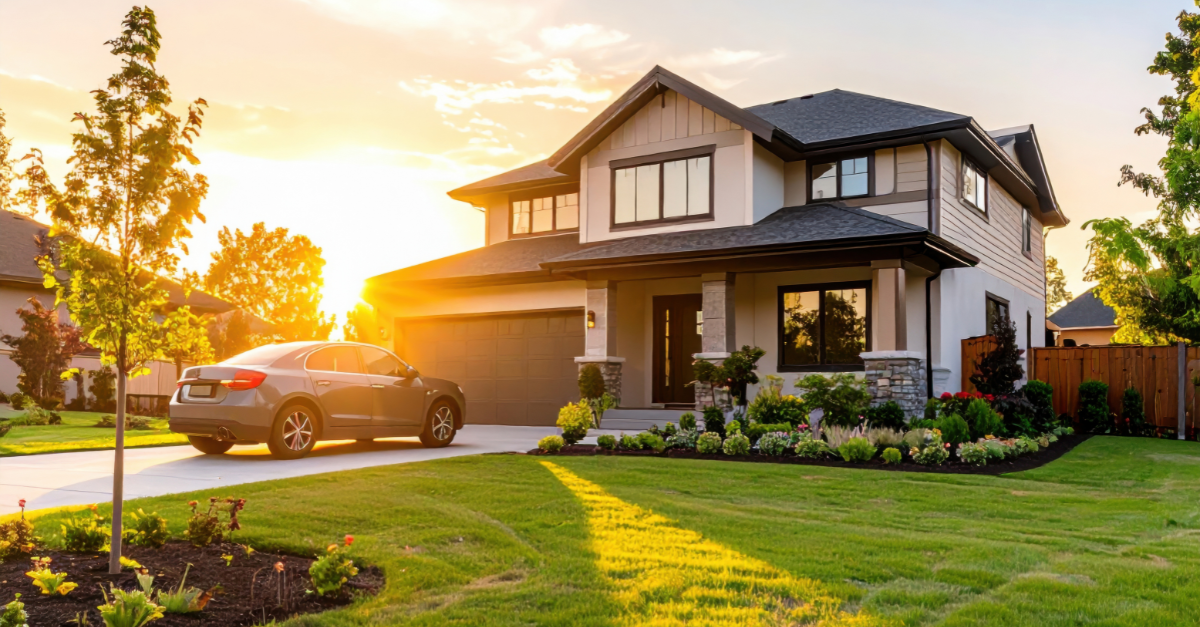
Outdoor Winterizing to Prevent Ice, Snow & Water Damage
Ice dams. Frozen faucets. Snow-loaded roofs. Your home's exterior takes a beating in winter, and when no one's watching, small issues turn catastrophic. Here's how to protect the outside of your property.
Ice Dams Develop Quietly — and Can Cause Significant Interior Damage
Ice dams form when heat escapes through your roof, melting snow that then refreezes at the eaves. The resulting water backup can cause significant interior damage — and this type of damage often develops slowly while properties are vacant.
Outdoor Checklist
Roof & Gutter Preparation
- Clean all gutters and downspouts thoroughly to ensure proper drainage
- Check that downspouts direct water at least 6 feet away from your foundation
- Inspect your roof for damaged, loose, or missing shingles
- Look for signs of wear around chimneys, vents, and skylights
- Consider having your attic insulation inspected — proper attic ventilation and insulation prevent ice dams
Exterior Faucets & Hoses
- Disconnect and drain all garden hoses; store hoses indoors or in a shed
- Shut off exterior water supply valves from inside
- Open exterior faucets to drain remaining water
- Consider installing insulated faucet covers for extra protection
Landscaping & Tree Management
- Trim back any dead or overhanging branches that could fall on your roof or power lines under ice or snow load
- Remove any items from your yard that could be damaged by or cause damage during winter storms
- Store outdoor furniture, grills, and decorative items
- If you have a pool, ensure it's properly winterized
Foundation & Drainage
- Check that soil around your foundation slopes away from the house
- Clear window wells of debris
- Ensure all basement windows are secure and properly sealed
Complete Indoor Winterizing Checklist Before You Leave
Before you head out for an extended absence, working through a systematic indoor checklist helps ensure you haven't missed critical steps. Here's what to address inside your home.
Heating, Plumbing & Water Protection
Thermostat:
- Set your thermostat to maintain a minimum temperature of 13°C (55°F) throughout your absence
- Never turn the heat off completely, even if you've drained the pipes — condensation and humidity issues can still occur
- Consider a programmable or smart thermostat that alerts you to temperature drops
- Decide whether to keep water on with heat, or shut off and drain completely
Many policies require maintaining a minimum temperature in vacant homes. Failing to do so could affect coverage for freeze-related damage.
Water system:
- If keeping water on — ensure someone will check the property regularly (typically every 3–7 days, depending on your policy)
- If shutting water off — turn off main water supply valve; open all faucets to drain pipes; flush toilets and drain tanks; pour non-toxic antifreeze into all drains, toilets, and toilet tank; drain water heater (or set to vacation mode if manufacturer permits); drain dishwasher, washing machine, and any other appliances with water lines
Water damage from frozen or burst pipes is one of the most common — and costly — winter claims. The method you choose should align with your policy's vacancy requirements.
Sump pump:
- Test your sump pump before leaving
- Ensure the discharge line won't freeze
- Consider a battery backup system in case of power failure
- Have someone check it regularly if you're relying on it during your absence
Pipe insulation:
- Wrap exposed pipes in unheated areas (crawl spaces, attics, exterior walls) with foam insulation
- Pay special attention to pipes near exterior walls
- Leave cabinet doors open under sinks to allow warm air circulation around pipes
Appliances, Electricity & Fire Safety
Furnace & HVAC:
- Have your furnace professionally inspected and serviced before winter
- Replace furnace filters; clear area around furnace of combustible materials; ensure vents and air intakes are clear
Furnace malfunctions in vacant homes can lead to both fire risks and heating failure that results in freeze damage.
Electrical appliances:
- Unplug unnecessary appliances and electronics (except those needed for monitoring or security)
- Turn off circuit breakers for non-essential circuits
- Leave lights on timers for security purposes
- Keep refrigerator running and set appropriately, or empty, clean, defrost, and leave doors propped open
Undetected electrical fires are a significant risk in vacant homes. Regular inspections help, but prevention through unplugging and circuit management is critical.
Water heater:
- If draining — turn off and drain completely
- If keeping on — set to vacation/low mode; ensure area around heater is clear
Smoke & carbon monoxide detectors:
- Test all smoke and CO detectors
- Replace batteries even if they seem fine
- Ensure they remain powered throughout your absence
Understanding Vacant vs. Unoccupied
While these terms are sometimes used interchangeably, many insurance policies distinguish between them. For most snowbirds and homeowners on extended vacation, their property would be considered "unoccupied" rather than vacant — but your specific policy language matters.
Status | Typical Characteristics | Insurance Implications |
Occupied |
|
|
Unoccupied |
|
|
Vacant |
|
|
Classification and requirements vary by insurer and policy. Confirm your status with your Morison broker before leaving.
Why Coverage May Change After a Certain Number of Days
Most standard home insurance policies begin to treat properties differently once they've been unoccupied for a specific period — commonly 30 consecutive days, though this varies by insurer. After this threshold:
- Certain types of coverage may be reduced or excluded
- Additional requirements (like regular inspections) may kick in
- Water damage coverage often faces restrictions
- You may need a vacancy permit or endorsement to maintain full coverage
These changes aren't designed to catch you out — they reflect the statistical reality that risks increase significantly in unattended properties. Without someone present to notice and respond to issues quickly, small problems become large ones.
Don't Assume Your Standard Policy Covers You the Same Way When You're Away
Many homeowners assume their standard home insurance will cover them exactly the same way whether they're home or away. This assumption can be costly:
- A pipe freezes and bursts in week five of your absence. Your policy required inspections every four days, but you arranged weekly checks — coverage may be affected.
- You shut off your heat to save money, and freeze damage occurs. Your policy required maintaining minimum heat — the claim could be denied.
- You didn't notify your insurer about a three-month absence. Your policy may have required notification for absences over 30 days.
The key takeaway: don't guess. Before you leave for an extended period, review your actual policy or speak with someone who can interpret your specific coverage conditions.
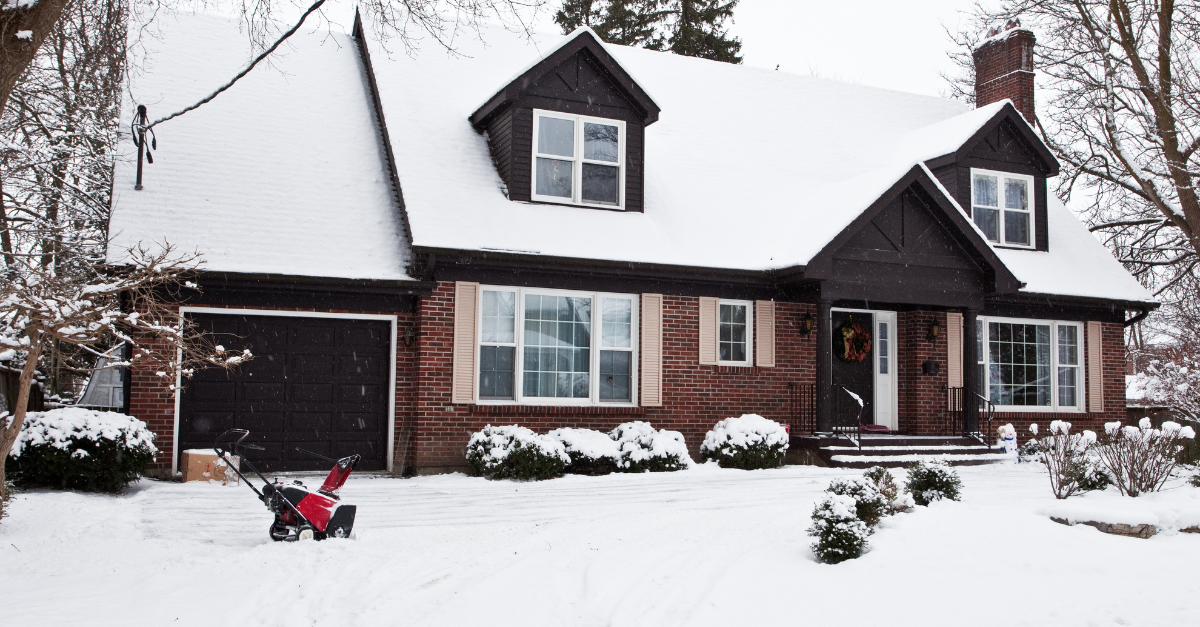
How Long Does Home Insurance Cover You If You're Away?
"How long can I be gone before my insurance changes?" This is one of the most common questions homeowners ask, and the answer depends on your specific insurance policy. Insurance coverage for vacant or unoccupied homes isn't standardized across the industry. The specifics depend on:
- Your insurance company's policies
- Your specific policy type and endorsements
- The type of property (primary residence vs. cottage vs. rental property)
- Your province (regulations vary)
- The season (winter absences often face stricter requirements than summer)
Typical absence thresholds in the Ontario market:
- 0–7 days — Generally, no special considerations or requirements under standard policies
- 7–30 days — Some insurers begin to require basic precautions (maintaining heat, security measures), though standard coverage typically continues
- 30+ days — This is a common threshold where coverage terms may change. Many policies require: regular inspections (often every 3–7 days); notification to the insurer about the absence; specific winterization steps; possibly a vacancy permit or endorsement
- 60+ days — More insurers implement restrictions at this duration
- 90+ days — Very few standard policies maintain full coverage without modifications at this duration
These are common patterns in the Ontario market — your specific policy may differ. Always confirm with your broker before an extended absence.
Differences for Property Types
Primary residences: Ontario snowbirds who leave for the winter but maintain their primary residence are still typically treated as "unoccupied" rather than "vacant", which often means better coverage options. However, this doesn't eliminate vacancy requirements once certain time thresholds are crossed.
Cottages and seasonal properties often have specialized insurance products that already account for seasonal vacancy. However:
- Winter coverage may be more limited than summer coverage
- Inspection requirements may be different
- The property may need to be properly winterized according to policy specifications
- Some cottage policies automatically reduce coverage during closed seasons
Before You Leave: Five Steps to Protect Your Coverage
Whether you're a snowbird heading south, a cottage owner closing for the season, or simply taking an extended winter vacation, taking the right precautions before you leave makes all the difference. This includes:
- Physical winterization steps that prevent damage
- Understanding your specific policy's vacancy requirements
- Arranging regular inspections if required
- Notifying your insurer if your policy requires it
- Documenting the steps you've taken
Types of Damage That May Be Treated Differently by Insurance
Understanding potential winter hazards is only half the equation. Understanding how insurance responds to those hazards is equally important. Similar damage can receive very different coverage outcomes depending on the circumstances.
Water Damage: The Biggest Winter Risk
Water damage is the leading cause of home insurance claims during winter, particularly in vacant or unoccupied homes. However, not all water damage is treated the same:
- Frozen and burst pipes: Often covered, but coverage depends heavily on whether required precautions were taken (maintained heat, shut off and drained water, arranged inspections)
- Sewage backup: May require separate coverage or endorsement
- Gradual leaks: Often excluded, especially if they developed over time without being noticed due to vacancy
- Flooding from external sources: Typically requires separate overland flood insurance
Key questions insurers ask:
- Was minimum heat maintained? (Often verifiable through utility bills or smart thermostats)
- Were inspections conducted as required? (Documentation matters)
- If water was left on, was the property checked frequently enough?
- If water was shut off, were pipes properly drained?
Ice Storms & Snow Load
- Roof collapse from snow load: Usually covered, but may be questioned if the property wasn't inspected regularly and excess snow could have been removed
- Ice dam damage: Often covered, but insurers may look at whether preventative maintenance (gutter cleaning, attic insulation) was done
- Falling tree limbs: Generally covered, unless the tree was visibly dead or hazardous before winter and should have been removed
Theft or Vandalism
- Coverage may be reduced or excluded after certain vacancy periods
- Security measures taken (or not taken) may be considered
- Documentation of the home's condition before the incident is helpful
Same Damage, Different Outcome — Why Precautions Determine Coverage
Two neighbours both experience burst pipes during the same cold snap. One maintained heat at 15°C and had weekly inspections documented. The other turned heat down to 10°C to save money and had no inspection plan. The first claim proceeds normally. The second may face coverage challenges due to policy violations.
Insurance responds to both the event AND the precautions taken beforehand. Taking the right steps isn't just about prevention — it's about ensuring your coverage responds as expected if prevention fails.
Home Security, Monitoring & Regular Check-Ins
Physical winterization is only part of the equation. When your home is vacant, having systems in place to detect problems early — and someone available to respond — can mean the difference between a minor issue and a major insurance claim.
Security Systems
- Activate your home security alarm system
- Ensure monitoring services are active and have current contact information
- Update emergency contact lists with neighbours or property managers who can respond
- Consider adding window and door sensors if you don't already have them
Smart Home & Environmental Monitoring
- Install smart water leak detectors in high-risk areas (near water heater, under sinks, in basement)
- Use smart temperature sensors to monitor indoor temperature remotely
- Consider a smart thermostat that alerts you to heating system failures
- Set up cameras or motion sensors for security and to detect issues like leaks or break-ins
Arranging Regular Property Checks
Most insurance policies have specific requirements about how often vacant homes must be inspected. Understanding and meeting these requirements is critical to maintaining your coverage.
- Frequency: Many Ontario insurers require inspections every 3–7 days for vacant properties, though this varies by policy
- Who can inspect: Typically a trusted neighbour, friend, family member, or professional property management service
What to check during inspections:
- Interior temperature is adequate
- No signs of leaks, burst pipes, or water damage
- Furnace and other systems are operating properly
- No signs of break-in or vandalism
- Roof and exterior appear sound (no visible ice dams, fallen branches, etc.)
- Mail and deliveries are being collected
- Property appears occupied from the street
Consider having inspectors document their visits with photos and notes. If a claim arises, this documentation can be valuable.
Regular inspections aren't just good practice — they're often a policy requirement. If damage occurs and you haven't met the inspection frequency required by your policy, coverage could be affected.
Before You Leave: Make Sure Your Coverage Works When You Need It
You've got your checklist. You know what to drain, what to set, what to check. But here's what matters most: understanding how these steps protect not just your property, but your coverage.
The reality is that extended winter absences create unique risks, and insurance policies treat vacant or unoccupied homes differently than occupied ones. These differences aren't arbitrary — they reflect real patterns of what goes wrong when no one is home to notice problems early.
Getting these details right means that if something does go wrong while you're away, your coverage responds as it should. Getting them wrong can mean discovering too late that preventable policy violations have affected your claim.
If you're uncertain about your coverage for extended absences, or if you want to review your policy before you leave, that conversation is worth having now — while there's still time to make any necessary adjustments. Speak with an Ontario broker who can help you understand your coverage and confirm what's needed for your specific situation.
